

Date: Monday, November 2, 2026 · Reading time: 6 minutes · Category: Women’s Midlife Health
If your sleep, mood, concentration, or menstrual cycle has changed in midlife, you deserve clear information, not dismissal or assumptions. Perimenopause and menopause are normal life stages, but symptoms can affect daily life, and support is available.
This guide explains what these stages mean, what may help, and how to prepare for a useful conversation with a healthcare provider.
What are perimenopause and menopause?
Perimenopause is the transition leading up to menopause. Hormone levels fluctuate, and menstrual cycles may become irregular. Symptoms can begin during this transition, sometimes years before periods stop.
Menopause is the point reached after 12 consecutive months without a menstrual period, when another cause does not explain the change. The transition and symptoms are different for everyone.
There is no single test that confirms perimenopause for everyone. For people over 45 with typical symptoms, clinicians can often identify it from symptoms and menstrual history. Hormone testing is not routinely needed in this situation. If symptoms begin earlier, or the picture is unclear, a provider may recommend further assessment.
How long can perimenopause last?
Perimenopause can last several years. Symptoms may come and go, change over time, or continue after the final period.
In a major U.S. study, frequent hot flashes and night sweats lasted a median of 7.4 years overall and continued for a median of 4.5 years after the final menstrual period among participants whose final period was observed. These are study averages, not a prediction for any one person.
The study also found differences in symptom duration across racial groups. Such group-level findings do not predict an individual’s experience or explain its causes. Access to care, stress, working conditions, and whether symptoms are taken seriously can shape people’s experience and treatment. Your symptoms deserve attention regardless of your background.
Common symptoms: more than hot flashes
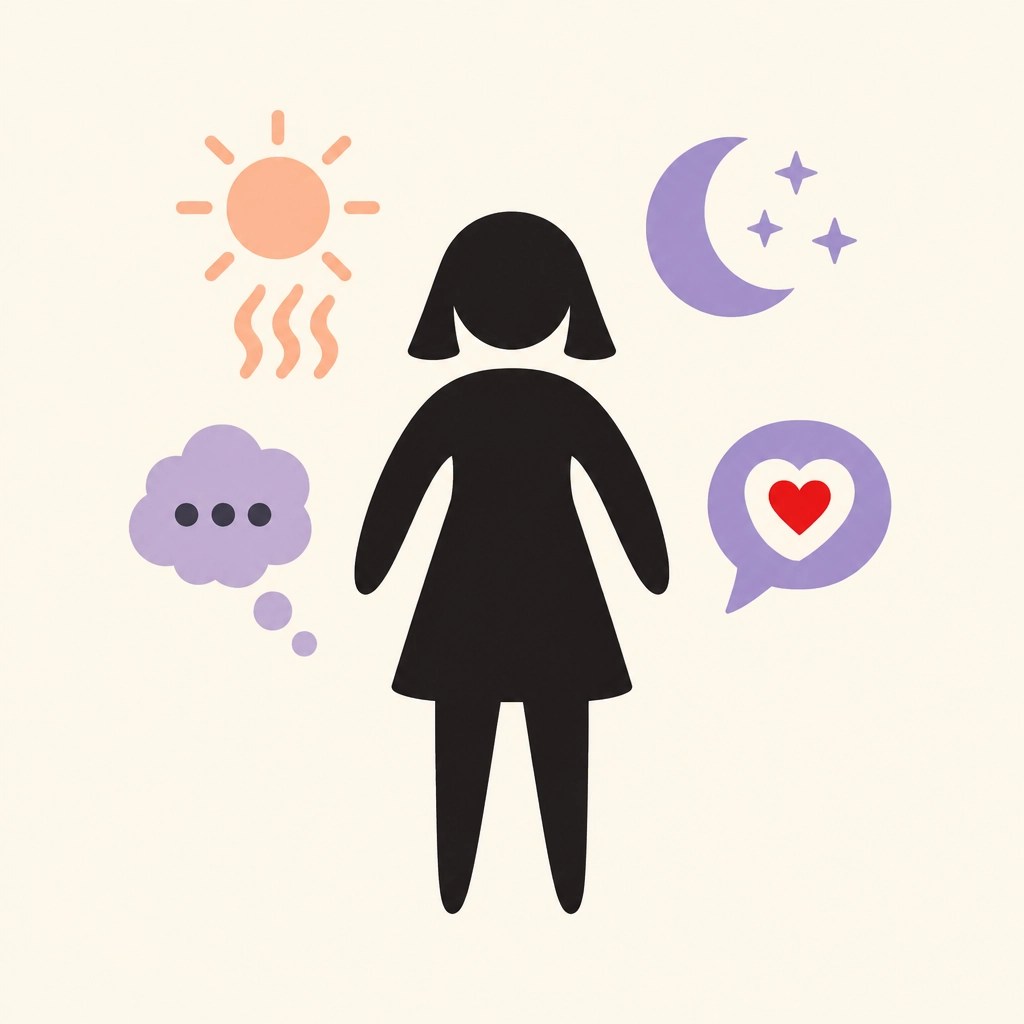
Symptoms vary. Some people have few; others find them disruptive. Common changes include:
- Hot flashes and night sweats
- Sleep disruption, including difficulty falling or staying asleep
- Brain fog, such as trouble concentrating or finding words
- Mood changes, including irritability, anxiety, or low mood
- Changes in menstrual timing or flow
- Vaginal dryness, discomfort with sex, or urinary symptoms
- Headaches, joint or muscle discomfort, or changes in sexual desire
These symptoms can have causes other than menopause. New, severe, or worsening symptoms deserve a conversation with a provider rather than an assumption that “it’s just hormones.”
What may help manage symptoms?
There is no one-size-fits-all plan. The right approach depends on your symptoms, health history, preferences, and whether you still need contraception.
Everyday strategies and nonhormonal care
Some people find it helpful to notice whether particular situations (such as a warm room, alcohol, or stress) coincide with hot flashes. Keeping a comfortable sleep environment and choosing regular movement that works for you may support general well-being. These steps do not work for everyone, and they are not a substitute for care when symptoms are affecting your life.
Menopause-specific cognitive behavioral therapy (CBT) may help with sleep problems and how people manage hot flashes. Prescription nonhormonal treatments may also be options. A clinician can discuss which choices fit your symptoms and medical history.
Supplements and “natural” products are not automatically safe or effective. Evidence varies, and products can interact with medicines. Tell your provider what you take, including herbs and over-the-counter products.
Hormone therapy: an individualized decision
Systemic menopausal hormone therapy, also called HRT or MHT, is the most effective treatment for hot flashes and night sweats. It may be appropriate for some people after an individualized discussion of benefits, risks, and alternatives.
For people who are candidates, the benefit–risk balance is generally more favorable when systemic therapy begins before age 60 or within 10 years of menopause, rather than later. This is a framework for shared decision-making, not a guarantee of safety, an automatic cutoff, or a reason to start treatment solely to prevent heart disease or dementia. Personal history matters, including factors such as blood-clot risk, stroke, certain cancers, unexplained bleeding, and liver disease.
If you have a uterus, systemic estrogen is generally paired with a progestogen to protect the uterine lining. Estrogen alone may be appropriate after a total hysterectomy. For vaginal or urinary symptoms, local vaginal treatments may be discussed separately; they are not the same as systemic therapy.
A September 2026 review looked at estrogen-receptor-targeted treatments in 13 trials involving 1,115 women. It reported possible symptom benefits, but the trials were small and short, with substantial variation in results. The findings are preliminary and do not establish a new timing rule for conventional hormone therapy or replace an individual clinical assessment.
Prepare for a productive provider visit
You do not need to arrive with perfect records or use medical terminology. A few notes can help make your concerns easier to discuss:
- List your main symptoms, when they began, and how often they happen.
- Note changes in your periods, sleep, mood, concentration, or daily activities.
- Bring a list of medicines, supplements, and relevant health conditions.
- Tell the provider what you hope to improve and whether you need contraception.
- Ask how treatment options fit your personal health history and preferences.
You could start with: “These changes are affecting my daily life. Could we discuss whether they may be related to perimenopause, what else should be considered, and what options fit my health history?”
Other questions to consider:
- “Do I need any tests, or can we assess this based on my symptoms and cycle history?”
- “What are the benefits and risks of hormone and nonhormone options for me?”
- “How will we know if a treatment is helping, and when should we review it?”
- “What should I do if symptoms continue or change?”
If you feel brushed off, it is reasonable to restate the impact on your life, ask what other causes have been considered, or seek another opinion. Medical bias and unequal access can affect whether symptoms are heard and addressed. Clear notes and direct questions can help, but the responsibility to listen and provide respectful care belongs to the healthcare team.
When to seek care
Make an appointment if symptoms are troubling you, disrupting sleep, affecting work or relationships, or making daily activities harder. Seek prompt clinical advice for very heavy or prolonged bleeding, bleeding after sex, or any bleeding after 12 months without periods. These changes need assessment rather than being assumed to be menopause.
A Gather Round Health Library update
Gather Round has expanded its midlife health education, adding dedicated perimenopause and menopause information to the Condition Library. New search filters let readers explore information by age range or life segment, including pediatrics, adolescence, midlife, and geriatric health.
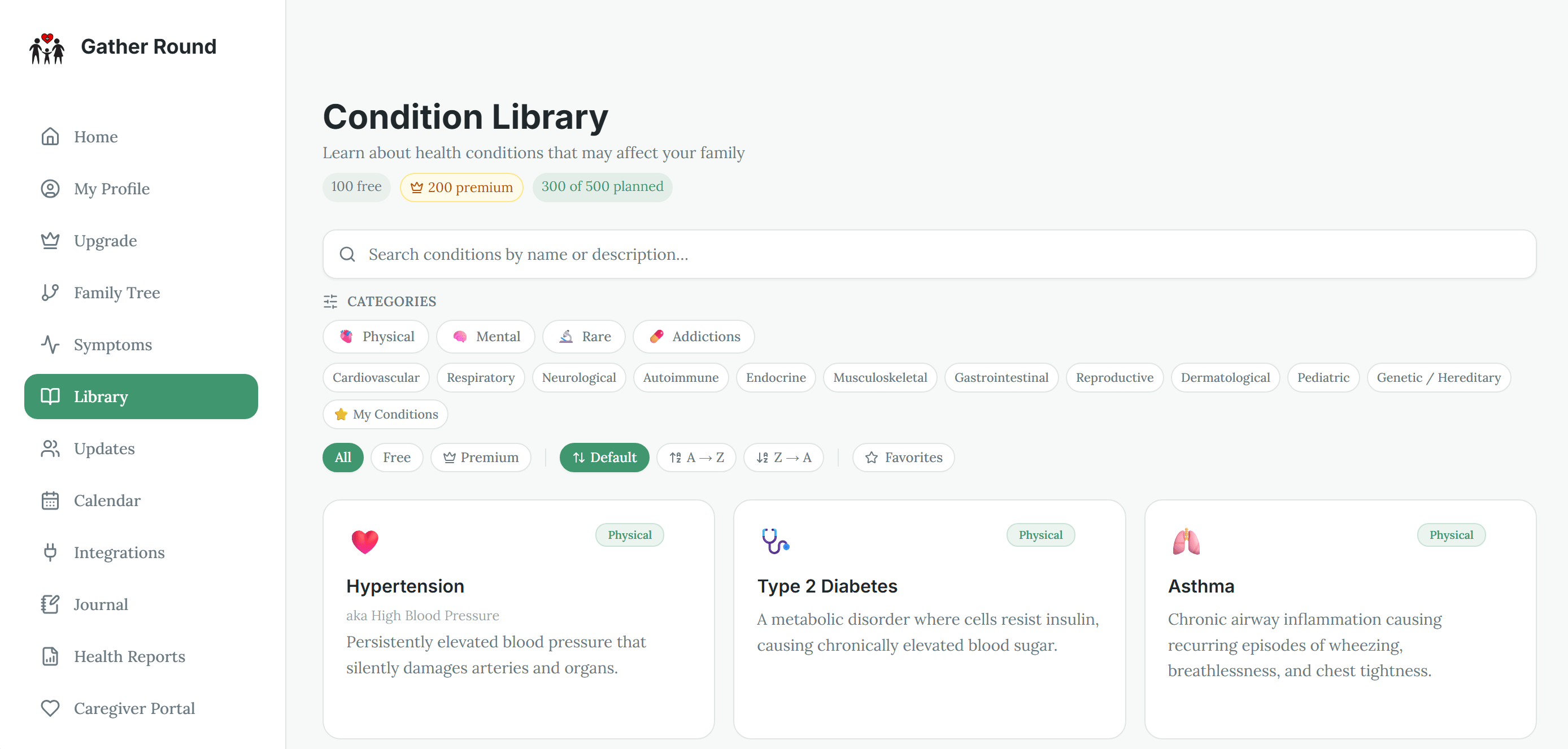
Explore the Preventive Health Library for accessible, science-informed wellness education, or learn about the Gather Round app, which supports symptom tracking and appointment preparation. The Library is an educational resource, not a diagnosis or substitute for individualized care.
Sources
- NICE: Menopause, identification and management (NG23)
- SWAN study: Duration of menopausal vasomotor symptoms
- Wan et al., BMC Women’s Health (published September 15, 2026): Estrogen-receptor-targeted interventions
- European Society of Endocrinology: Clinical practice guideline for menopause and perimenopause
This article is for general education. It does not replace medical advice, diagnosis, or treatment from a qualified healthcare professional.