

Date: August 5, 2026
Estimated Reading Time: 2–3 minutes
Health Category: Preventative Health / Brain Health
Introduction
When we think about brain health and preventing cognitive decline, our minds often jump to adult habits: crossword puzzles, Mediterranean diets, or managing blood pressure in our fifties. However, groundbreaking scientific research published in August 2026 reveals that our neurological foundation is laid much earlier: starting in the womb and continuing through the first two years of life.
By examining a unique historical "natural experiment" from mid-century nutrition policies, researchers have uncovered compelling links between early-life sugar exposure and long-term brain health decades down the road. At Gather Round, we believe in looking at the complete timeline of wellness. Here is what this new evidence means for families, caregivers, and proactive health risk management.
Defining the "First 1,000 Days" and Early Sugar Exposure
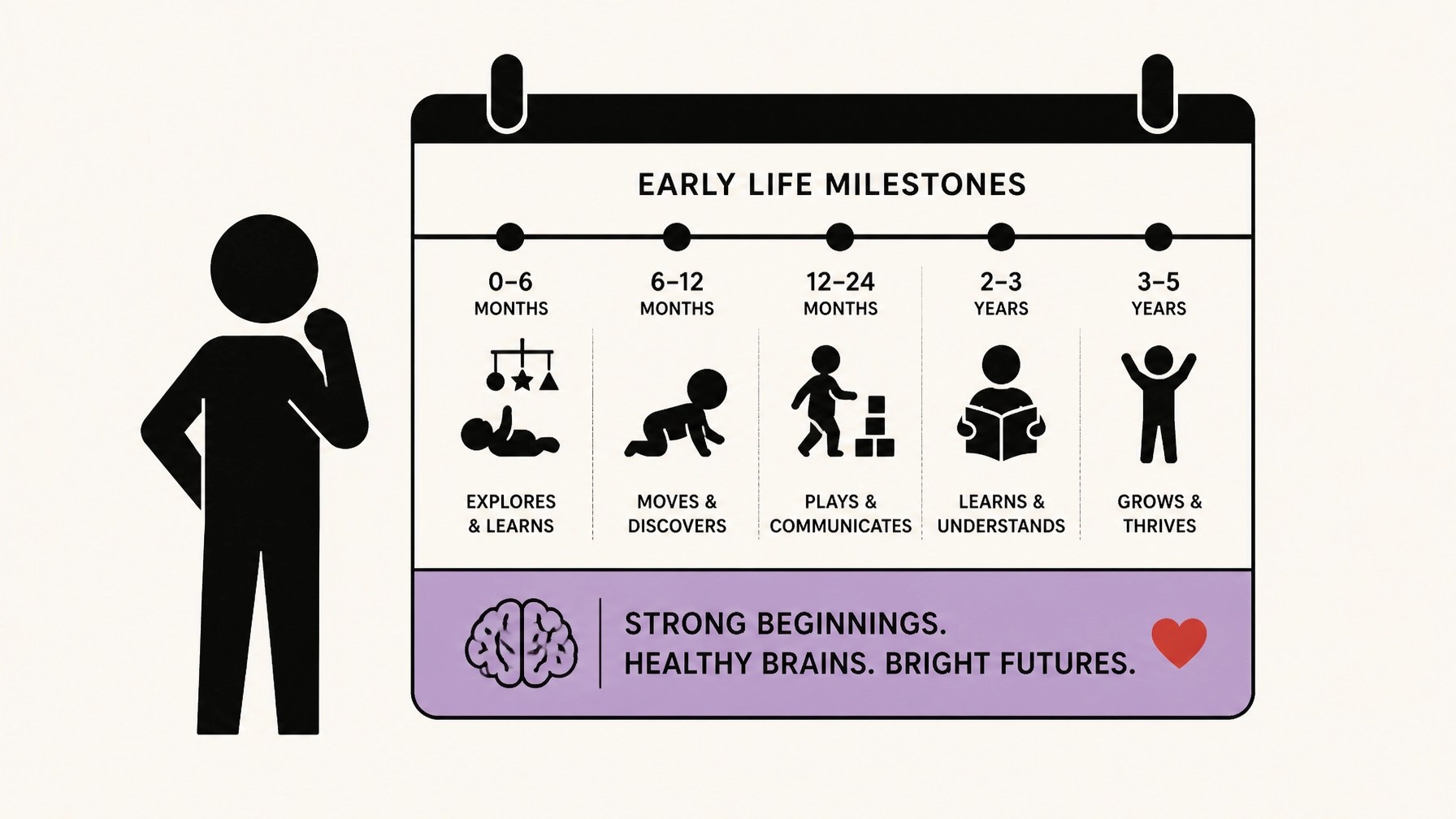
The First 1,000 Days refers to the critical developmental window spanning from conception through a child’s second birthday. During this period, the human brain undergoes explosive growth, forming neural connections at a staggering rate.
- Early-Life Sugar Restriction: Recent evaluations of post-World War II UK rationing data: which strictly limited added sugar from conception until September 1953: provided researchers with a clear lens to study lifelong outcomes.
- The Biological Window: The data revealed that individuals whose early development coincided with strict sugar rationing experienced significantly lower lifetime risks of neurodegenerative and metabolic conditions.
- Accessible Health Literacy: Understanding this science does not require a medical degree. At its core, it highlights how metabolic stress during formative cellular development can cast a long shadow over adult health.
What the August 2026 Research Shows
The findings, published in leading neurological journals, analyzed health outcomes across large population cohorts (such as the UK Biobank) comparing individuals exposed to early sugar rationing versus those with unrestricted sugar access.
- Lower All-Cause Dementia Risk: Individuals exposed to sugar restriction across their first 1,000 days showed roughly a 27% lower risk of all-cause dementia in later adulthood.
- Reduced Alzheimer’s Vulnerability: The data indicated up to a 46% lower risk of Alzheimer’s disease among those with restricted early sugar exposure.
- Delayed Symptom Onset: For those who developed cognitive impairment, early sugar rationing was associated with a delayed onset of roughly 2.5 years.
- Mental Health Resilience: Beyond cognitive health, early-life sugar limitation correlated with lower reported rates of adult anxiety and depression, highlighting the gut-brain-metabolic connection.
Note: While these studies are observational natural experiments and do not prove direct causation in modern diets, they strongly reinforce the value of early nutritional awareness.
Risk Factors and Structural Inequities in Early Nutrition
Navigating infant nutrition is rarely just a matter of personal choice. Systemic factors often make it difficult for families to avoid added sugars in early childhood.
- Commercial Food Marketing: Low-income families and caregivers are frequently targeted by heavily marketed, processed toddler foods that pack hidden added sugars into purees, snacks, and drinks.
- Food Deserts: Communities lacking access to affordable fresh produce face systemic barriers to preparing whole-food meals for infants and toddlers.
- Information Overload: A lack of clear, empathetic guidance often leaves parents feeling overwhelmed by contradictory nutritional advice on product labels.
Addressing these risks requires a supportive community approach rather than individual blame. Exploring resources within our Preventative Health Library can help families navigate these choices with confidence.

Prevention: Practical Steps for Your Path to Wellness
Proactive health risk management starts with small, sustainable choices for households and growing families. You can support lifelong wellness by incorporating practical nutritional habits:
- Prioritize Whole Foods: Focus on nutrient-dense, minimally processed foods during pregnancy, lactation, and the transition to solid foods after six months.
- Inspect Ingredient Labels: Be vigilant for hidden added sugars in commercial baby cereals, yogurts, and fruit pouches.
- Choose Water Over Sweetened Beverages: Avoid offering fruit juices, sweetened milks, or flavored drinks to infants and toddlers under age two.
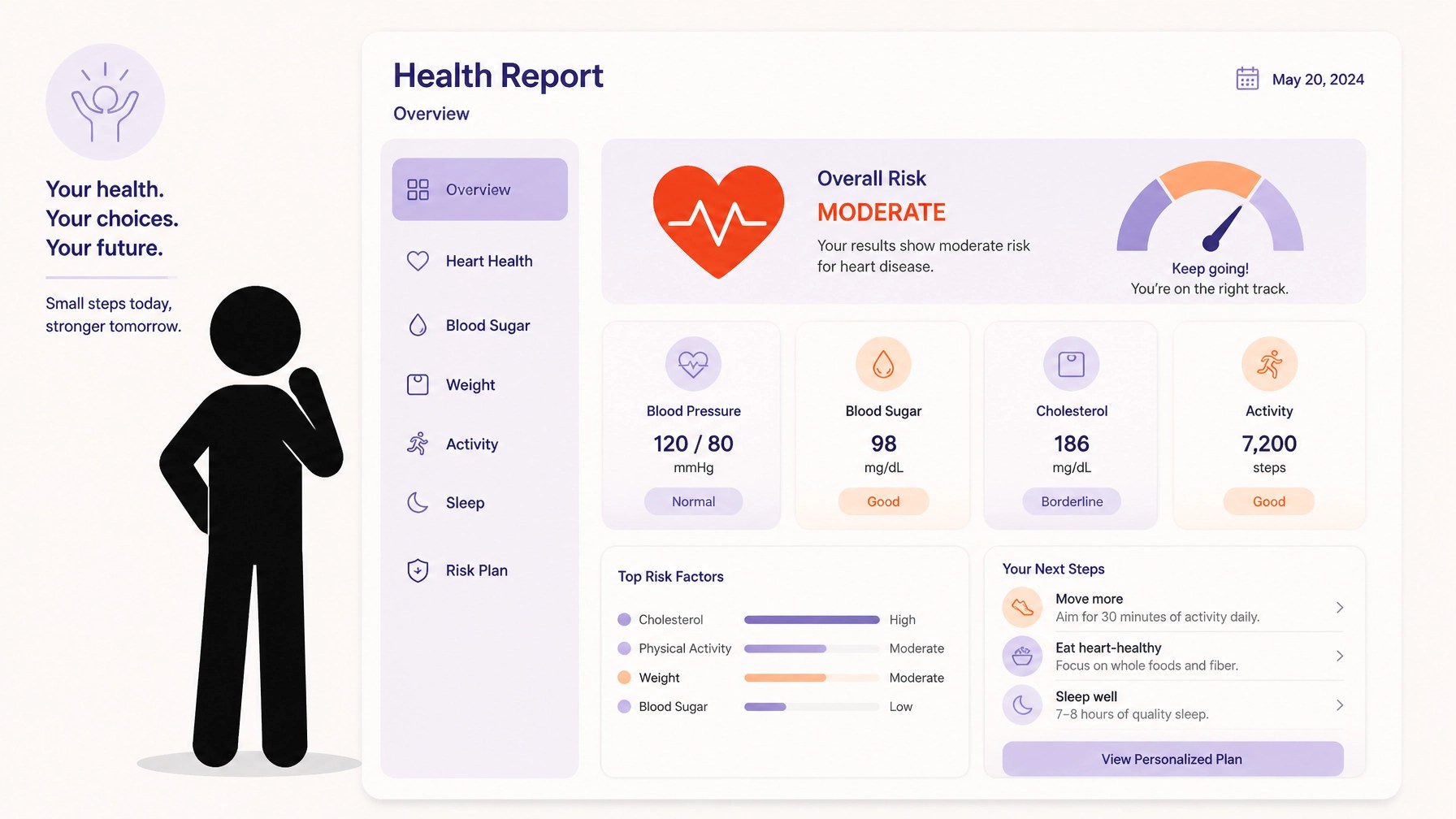
- Track Family Health Patterns: Documenting nutrition, wellness milestones, and family medical histories using tools like the Gather Round App helps you visualize long-term trends and prepare for clinical conversations.
When to Seek Professional Guidance
While everyday nutritional choices matter, personalized medical oversight is essential for comprehensive wellness. Consider consulting a healthcare professional if you notice:
- Persistent Metabolic Concerns: Unexplained fatigue, blood sugar fluctuations, or metabolic issues during pregnancy or early childhood development.
- Early Cognitive Changes: Noticeable memory lapses, executive dysfunction, or neurological symptoms in adult family members.
- Nutritional Guidance Needs: Questions regarding infant feeding guidelines, specialized dietary needs, or healthy weight management across generations.
Empowering Questions for Your Next Medical Consultation
Effective healthcare partnerships rely on clear, confident communication. When meeting with your pediatrician, family physician, or nutritionist, consider asking the following questions:
- "Based on our family's health history, what specific nutritional milestones should we prioritize during the first two years of life?"
- "How can I effectively identify hidden added sugars on nutrition labels for infant and toddler products?"
- "What screening measures or lifestyle adjustments do you recommend for long-term metabolic and brain health support?"
- "Are there local nutrition programs or registered dietitians you recommend to help our family access affordable, whole-food options?"

References & Institutional Citations
- Neurology Journal (August 2026): Epidemiological studies on post-war rationing cohorts and long-term neurodegenerative outcomes.
- UK Biobank Cohort Analyses: Research investigating associations between early-life dietary environments and adult cognitive trajectories.
- Alzheimer’s Research UK: Scientific commentaries on population-level nutritional exposures and brain aging markers.
- World Health Organization (WHO): Guidelines on sugar intake limits for infants and young children under the age of two.