

Date: June 1, 2026
Estimated Reading Time: 5–6 minutes
Category: Health Literacy & Preventative Health
Modern healthcare provides us with more information than ever before. From clinical lab results to the data on our wrists, the sheer volume of "numbers" can feel overwhelming. However, health data is not just a collection of statistics; it is a roadmap for preventative wellness.
To move from confusion to empowerment, we must first understand the language of our bodies. This guide breaks down the essential biomarkers and metrics that define your health baseline and how to use them to prevent illness before it starts.
Defining Your Health Data
Before you can master your data, you must understand what it represents. Health data is generally categorized into three distinct buckets:
- Biomarkers: Short for "biological markers," these are objective, measurable indicators of what is happening inside your body. Examples include blood sugar levels, cholesterol, and hormone concentrations.
- Vital Signs: These are basic physiological statistics that indicate your body’s essential functions. Traditional vitals include blood pressure, heart rate, respiratory rate, and temperature.
- Digital Biomarkers: These are data points collected outside of a clinical setting via digital devices, such as your daily step count, sleep stages, and heart rate variability (HRV).

Core Metrics: The Numbers That Matter
While hundreds of tests exist, a few key metrics provide the most significant insight into your long-term health risks. At Gather Round, we believe in focusing on the data points that allow for the greatest preventative impact.
1. Cardiovascular Health: Blood Pressure & Lipids
Heart disease remains a leading health risk, but it is often silent.
- Blood Pressure: Measures the force of blood against artery walls. Chronic high blood pressure (hypertension) strains the heart and kidneys.
- Lipid Panel: This includes LDL (bad) cholesterol, HDL (good) cholesterol, and triglycerides. High levels of LDL can lead to plaque buildup in arteries.
- Lipoprotein(a): Often overlooked, this is a genetically determined marker that provides deeper insight into your personal risk for stroke and heart attack.
2. Metabolic Health: Glucose & HbA1c
Metabolic health dictates how your body processes energy.
- Fasting Glucose: Your blood sugar level after not eating for 8–12 hours.
- HbA1c (A1c): This test provides a 3-month average of your blood sugar levels. It is the gold standard for identifying prediabetes and managing Type 2 Diabetes.
3. Inflammation & Organ Function
- hs-CRP (C-Reactive Protein): A marker of general inflammation in the body. Chronic low-grade inflammation is a risk factor for many long-term conditions.
- Liver & Kidney Markers: Tests like ALT (liver) and Creatinine (kidney) ensure your body’s filtration systems are functioning correctly.
The Role of Digital Tracking
Wearable technology has moved health data from the doctor’s office into our daily lives. Digital biomarkers provide continuous data, whereas clinical labs provide a snapshot in time.
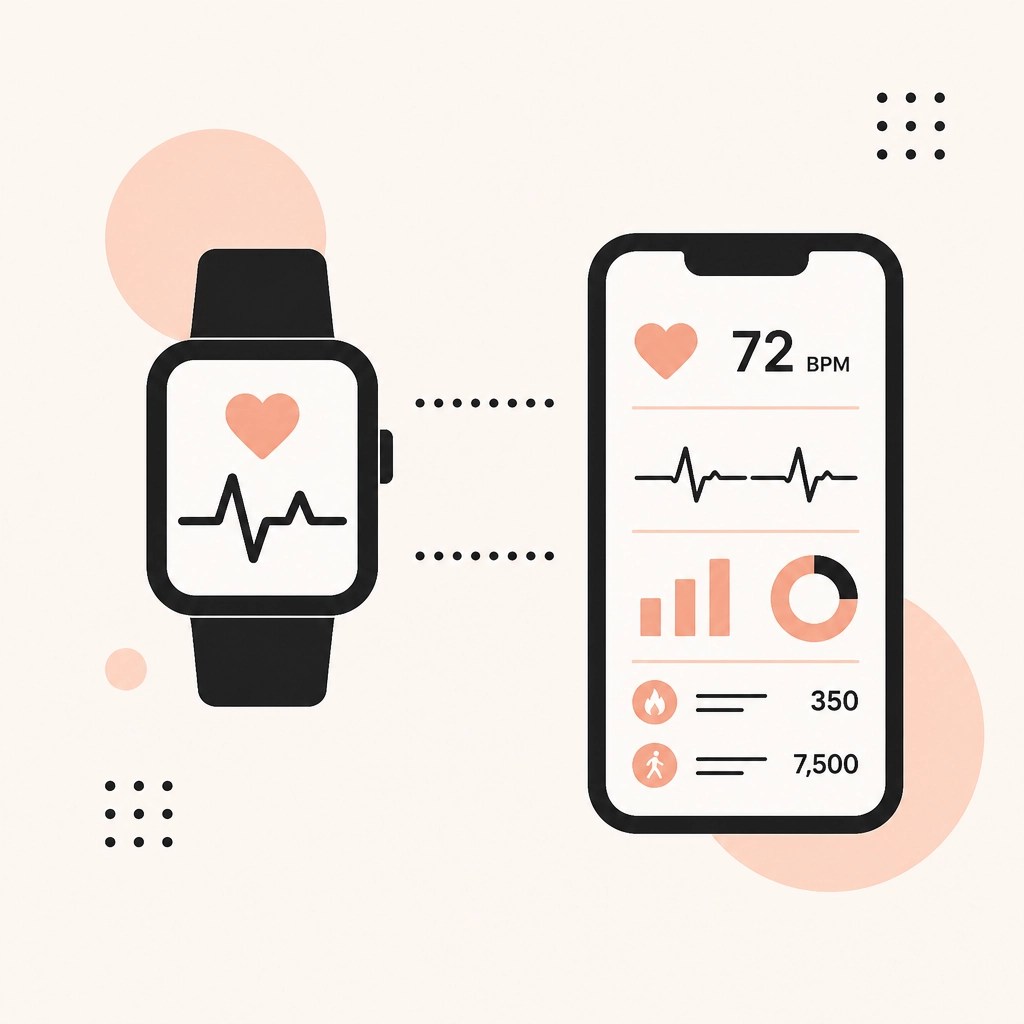
- Resting Heart Rate (RHR): A lower RHR generally indicates better cardiovascular fitness. A sudden spike can signal stress, overtraining, or the onset of illness.
- Sleep Quality: Tracking deep and REM sleep cycles helps you understand how your body recovers.
- Step Count: While "10,000 steps" is a common goal, the objective is consistent movement to reduce sedentary-related risks.
Using the Gather Round App allows you to sync these digital metrics with your clinical records, creating a holistic view of your wellness journey.
Navigating Bias and Structural Inequity in Data
It is critical to acknowledge that health data does not exist in a vacuum. Medical history is fraught with structural inequities that affect how data is collected and interpreted.
- Medical Bias: Reference ranges for many biomarkers were historically based on narrow populations (often white and male). This can lead to misdiagnosis or delayed care for Women and People of Color.
- Social Determinants: Access to clean water, fresh food, and safe housing significantly impacts biomarkers like blood pressure and A1c.
- Actionable Step: When reviewing your data, ask your provider how your specific background, environment, and genetics influence your "normal" range. Empowerment means advocating for care that recognizes your unique context.

Prevention: Turning Data into Action
Data is only useful if it leads to change. Science-based wellness focuses on proactive intervention rather than reactive treatment.
- Establish a Baseline: Get a full physical and blood panel once a year. You cannot track progress without a starting point.
- Monitor Trends, Not Blips: A single high glucose reading might be due to stress or a recent meal. Look for patterns over weeks and months.
- Targeted Lifestyle Shifts: If your A1c is creeping up, focus on fiber intake and resistance training. If your CRP is high, prioritize anti-inflammatory foods and improved sleep.
- Stay Organized: Keep your records in a central location. Check out our guide on Mastering Your Patient Portals for tips on organizing your digital records.
When to Seek Professional Care
Self-tracking is a tool for wellness, not a replacement for medical diagnosis. Seek professional care immediately if:
- Your resting heart rate is consistently above 100 bpm or below 50 bpm (without athletic training).
- Your blood pressure readings are consistently above 140/90.
- You notice sudden, unexplained changes in your biometric trends (e.g., a rapid drop in weight or a sharp increase in fasting glucose).
- You experience symptoms like chest pain, extreme fatigue, or dizziness, regardless of what your wearable device says.
Questions for Your Provider
Use this specific language during your next consultation to gain clarity on your health data:
- "What are the three most important biomarkers for my current health stage, and why?"
- "Based on my family history, are there specific markers (like Lipoprotein(a) or hs-CRP) we should be monitoring more closely?"
- "Is this lab result within a 'normal' range for someone of my age, gender, and ethnic background?"
- "What specific lifestyle adjustments would have the most significant impact on these numbers before our next check-up?"

Summary of Key Takeaways
Science-based wellness is about literacy and agency. By understanding your biomarkers, tracking your daily vitals, and questioning the context of your data, you shift from being a passive recipient of healthcare to an active manager of your wellness.
Gather Round is here to help you bridge the gap between complex science and daily care. For more information on specific conditions, explore our Preventative Health Library.
Reputable Citations & Further Reading
- Centers for Disease Control and Prevention (CDC): Understanding Blood Pressure Readings
- Mayo Clinic: A1C test – Mayo Clinic
- National Institutes of Health (NIH): Biomarkers of Health and Disease
- American Heart Association: What Your Cholesterol Levels Mean