
Date: June 1, 2026
Estimated Reading Time: 4–5 minutes
Health Category: Preventative Health
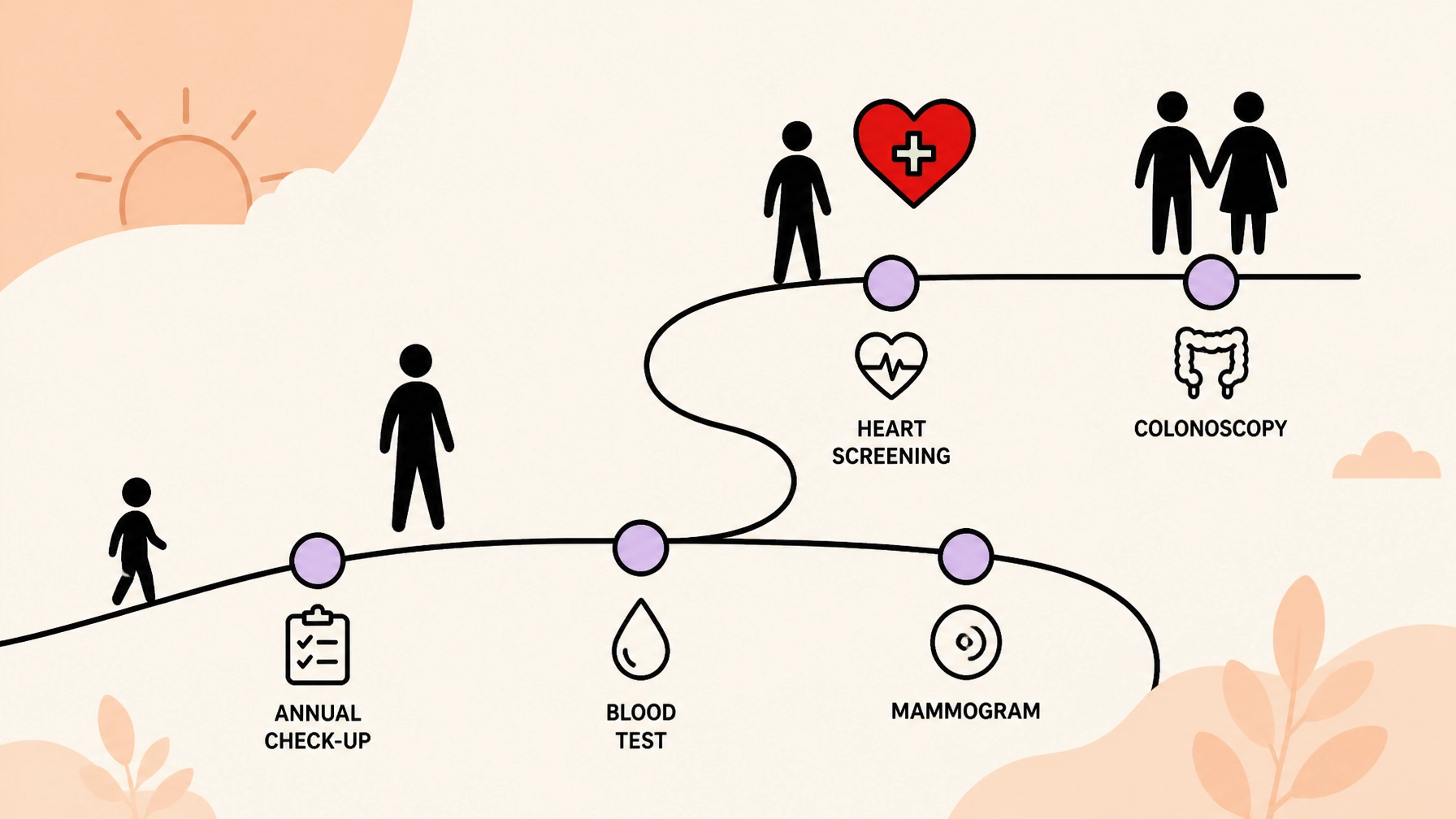
Preventative medicine is the practice of identifying health risks and conditions before they become symptomatic or critical. By adhering to a consistent screening schedule, individuals can intervene early, often leading to more effective treatments and better long-term health outcomes. In 2026, healthcare systems have further refined these schedules to improve accessibility and accuracy.
Below is a science-backed guide to the essential screenings and benefits available to help you navigate your wellness journey.
1. Most Screenings are Covered at No Cost
Under current health regulations, including the Affordable Care Act and updated 2026 Medicare guidelines, most evidence-based preventative services are covered without a copay. This includes annual wellness visits, specific cancer screenings, and immunizations. To ensure coverage, these visits must be billed as "preventative" rather than "diagnostic." You can track your upcoming covered visits using the Gather Round App.
2. Cardiovascular Checks Begin with Blood Pressure
Heart disease remains a leading health risk, but it is often manageable if caught early.
- Blood Pressure: Should be checked at every clinical visit or at least annually for all adults.
- Cholesterol: Routine lipid panels are recommended for adults aged 40–75. However, if you have known risk factors, screening may begin as early as age 20.
- Benefit: Managing hypertension and high cholesterol significantly reduces the risk of stroke and heart attack. Learn more in our guide to mastering your health records.

3. Diabetes Screening for Overweight Adults
Diabetes screening (typically an A1C or fasting glucose test) is recommended for all adults starting at age 45. However, clinicians now recommend earlier screening for individuals who are overweight or have other cardiovascular risk factors. Early detection of prediabetes allows for lifestyle interventions that can prevent the onset of Type 2 Diabetes.
4. Breast Cancer Screening Guidelines have Shifted
As of 2026, the USPSTF and HRSA guidelines emphasize the importance of biennial (every two years) mammograms for women starting at age 40 and continuing through age 74. Some plans now also cover patient navigation services to help coordinate these appointments and follow-up care, ensuring no one falls through the cracks.
5. Colorectal Cancer Screening Now Starts at 45
The recommended age to begin colorectal cancer screening has been lowered from 50 to 45 for average-risk adults. Options include:
- Colonoscopy: Generally every 10 years.
- Stool-based tests (FIT/gFOBT): Performed annually.
- FIT-DNA tests: Performed every 1–3 years.
Starting at 45 can detect precancerous polyps before they develop into malignancy.
6. Mental Health is a Preventative Priority
Preventative care is not limited to physical symptoms. Annual screenings for depression and anxiety are now standard components of the adult wellness visit. These screenings involve simple questionnaires that help your provider understand your emotional well-being and offer support before a crisis occurs.

7. Vaccinations are Essential Preventative Tools
Vaccines protect the individual and the community by preventing the spread of infectious diseases.
- Annual Vaccines: Flu and updated COVID-19 boosters.
- New for 2026: The RSV vaccine is now a required preventative service for recommended age and risk groups.
- Specific Milestones: Tdap boosters every 10 years, and Shingles/Pneumococcal vaccines for older adults.
8. Lung Cancer Screening for High-Risk Groups
For individuals with a history of heavy smoking (20 pack-years or more) who currently smoke or have quit within the past 15 years, an annual low-dose CT scan is recommended between the ages of 50 and 80. This specific screening is a powerful tool for early-stage detection in a population at high risk.
9. Cervical Cancer and HPV Prevention
Screening for cervical cancer typically begins at age 21. For those aged 30–65, providers may recommend a combination of Pap smears and HPV testing every five years. Regular screening has made cervical cancer one of the most preventable types of cancer through early identification of cellular changes.
10. Personalized Schedules and Family History
While general guidelines exist, your "ideal" schedule depends on your family history and genetics. If a close relative had early-onset colon or breast cancer, your screening may need to start much earlier. Using tools like the Gather Round Health Library can help you understand how your history influences your risk profile.

Risk Factors for Delayed Screening
Delayed or missed screenings often stem from:
- Lack of Awareness: Not knowing which tests are due at which age.
- Medical Bias: Inequities in healthcare delivery that affect marginalized communities.
- Systemic Barriers: Lack of transportation, childcare, or time off work.
- Complexity: Feeling overwhelmed by medical jargon or scheduling requirements.
Prevention and Action Steps
To maximize the benefits of preventative medicine:
- Schedule an Annual Wellness Visit: This is the "anchor" of your screening schedule.
- Maintain a Health Log: Keep track of dates and results for all past screenings.
- Leverage Digital Tools: Join the Gather Round Private Beta to access a family wellness dashboard that sends smart reminders for upcoming checkups.
When to Seek Care Between Screenings
Screenings are for people without symptoms. If you experience any of the following, do not wait for your scheduled screening; contact your provider immediately:
- Unexplained weight loss or persistent fatigue.
- New lumps or skin changes.
- Changes in bowel or bladder habits.
- Persistent pain or unusual bleeding.
Questions to Ask Your Provider
Prepare for your next appointment with these specific questions:
- "Based on my age and family history, what screenings am I due for this year?"
- "Are these tests considered 'preventative' and covered at 100% by my insurance?"
- "How will I receive my results, and what is the follow-up plan if something is found?"
- "Are there any new vaccines, such as the RSV vaccine, that I should receive now?"
Reputable Citations
- U.S. Preventive Services Task Force (USPSTF): A and B Recommendations (2026 Update).
- Healthcare.gov: Preventive Care Benefits for Adults and Women.
- Centers for Disease Control and Prevention (CDC): Advisory Committee on Immunization Practices (ACIP) Guidelines.
- Health Resources and Services Administration (HRSA): Women’s Preventive Services Guidelines.