
Date: May 11, 2026
Estimated Reading Time: 2–3 minutes
Category: Preventative Health / Diagnostics
Blood work is one of the most powerful tools in preventative health. It provides a clear, data-driven window into how your body is functioning before physical symptoms appear. However, lab reports are often delivered in a format that feels clinical and intimidating.
At Gather Round, we believe that understanding your data is the first step toward owning your health. This guide breaks down the three most common blood panels so you can walk into your next appointment with confidence.
What is a Blood Panel?
A blood panel is a group of tests performed on a single blood sample. These tests measure different chemicals, cells, and proteins. They serve as a "baseline" for your health, allowing you to track changes over time rather than just reacting to a crisis.
1. Complete Blood Count (CBC)
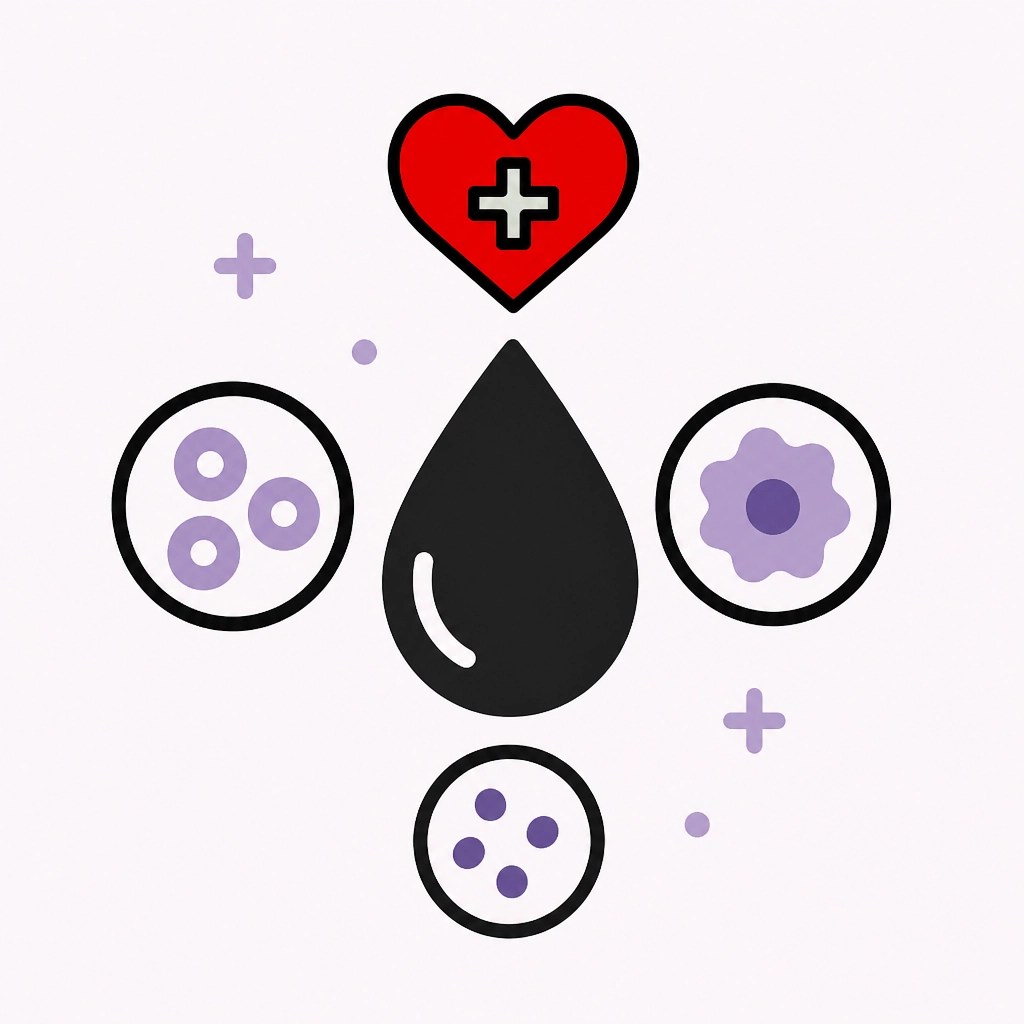
The CBC is the most common blood test. It looks at the "solid" parts of your blood: the cells.
- Red Blood Cells (RBCs): These carry oxygen throughout your body. Low levels can indicate iron deficiency or anemia.
- White Blood Cells (WBCs): These are your immune system’s "soldiers." High levels often mean your body is fighting an infection or inflammation.
- Platelets: These help your blood clot. Too few can lead to bruising; too many can increase the risk of clots.
2. Basic Metabolic Panel (BMP)
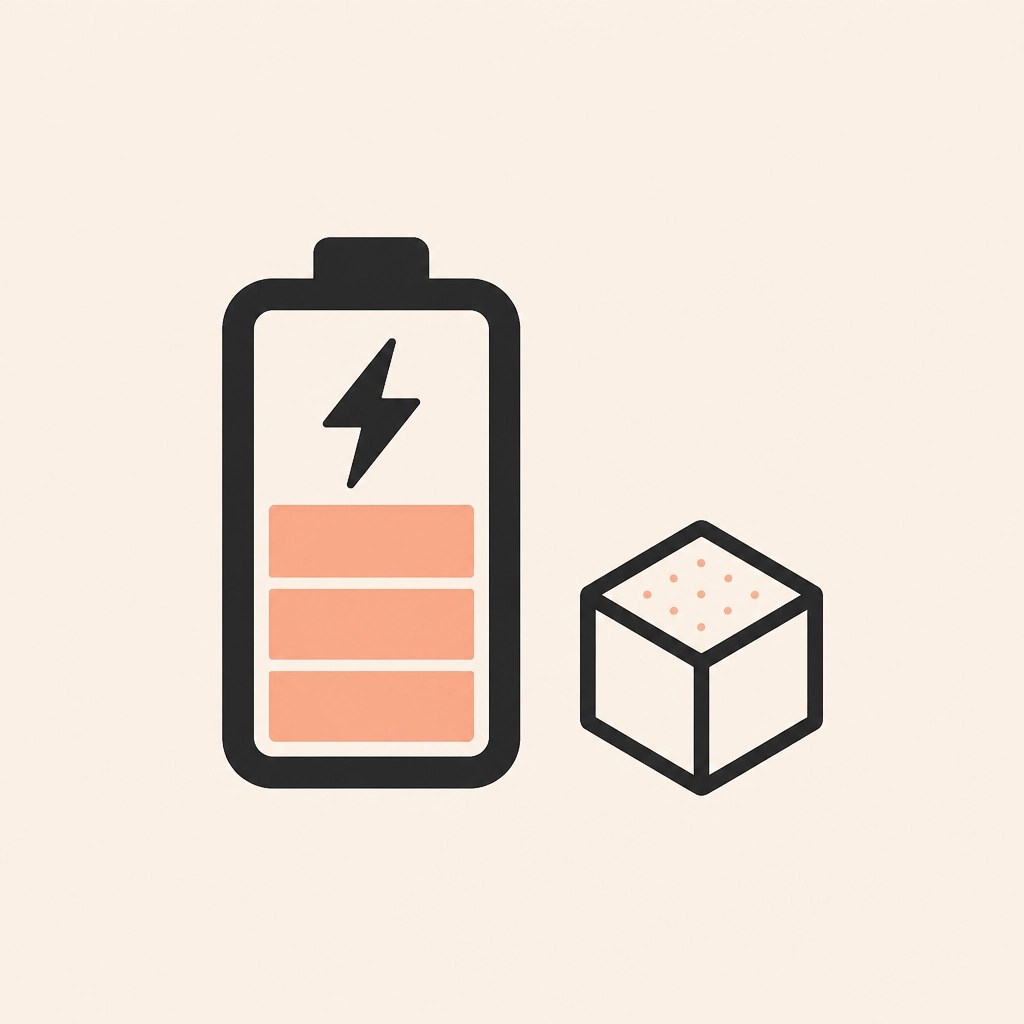
While the CBC looks at cells, the BMP looks at the chemistry of your "liquid" blood (plasma). It focuses on your metabolism and kidney function.
- Glucose: Your primary energy source. High levels are often a precursor to Type 2 Diabetes.
- Electrolytes (Sodium, Potassium, Calcium): These keep your heart rhythm steady and your muscles moving.
- Creatinine & BUN: These markers show how well your kidneys are filtering waste from your body.
3. Lipid Panel (Cholesterol)
This panel measures the fats in your blood to assess your cardiovascular health.
- LDL (Low-Density Lipoprotein): Often called "bad" cholesterol. High levels can lead to buildup in your arteries.
- HDL (High-Density Lipoprotein): The "good" cholesterol that helps remove LDL from your bloodstream.
- Triglycerides: A type of fat used for energy. High levels are often linked to diet and lifestyle.
Addressing Bias in Lab Results
It is important to recognize that "normal" ranges are not universal. Most lab reference ranges are based on historical data that may lack diversity.
- Medical Bias: Reference ranges can sometimes be skewed by race, gender, or age, leading to misdiagnosis or delayed care for specific populations.
- Context Matters: Your "normal" may look different based on your genetics, hydration levels, and even the time of day the blood was drawn.
We encourage you to use our App to track your personal trends over time, which is often more valuable than a single snapshot.
How to Prepare for Your Lab
Preparation ensures your results are accurate.
- Fasting: Most lipid and glucose tests require you to stop eating 8–12 hours before the draw. Water is usually fine.
- Hydration: Drink plenty of water. It makes your veins easier to find and keeps your blood volume steady.
- Medication: Continue taking your regular medications unless your provider specifically tells you to stop.
When to Seek Follow-Up Care
A single "out of range" result is rarely a reason to panic. Many factors, including a recent cold or intense exercise, can temporarily shift your numbers. You should seek a detailed follow-up if:
- You have persistent symptoms (fatigue, dizziness, pain) despite "normal" labs.
- Results are consistently trending upward or downward over several months.
- You have a family history of chronic conditions like heart disease or diabetes.
Questions to Ask Your Provider
Empower yourself during your follow-up appointment by using these specific prompts:
- "How do these results compare to my baseline from last year?"
- "Are there specific lifestyle changes that could bring my LDL/Glucose back into range?"
- "Given my background and family history, are these standard reference ranges accurate for me?"
- "What is the next step if we don't see a change in these numbers in three months?"
For more deep dives into specific health conditions, visit our Preventative Health Library.
Sources & Citations
- Mayo Clinic: "Complete blood count (CBC)"
- Cleveland Clinic: "Basic Metabolic Panel (BMP)"
- American Heart Association: "Understanding Your Cholesterol Results"
- National Institutes of Health (NIH): "Addressing Health Inequities in Laboratory Medicine"