
Date: May 7, 2026
Read Time: 2 minutes
Category: Health Literacy & Empowerment
Receiving a lab report can feel like reading a foreign language. Complex acronyms and long lists of numbers often create more questions than they answer. At Gather Round, we believe health literacy: the ability to find, understand, and use health information: is the foundation of preventative care.
When you understand your results, you move from being a passive recipient of care to an active partner in your wellness journey. This guide decodes the most common medical results to help you understand your body’s current state.
1. Defining the Three Main Panels
Most routine blood work is organized into three primary categories. Each provides a different snapshot of your internal health.
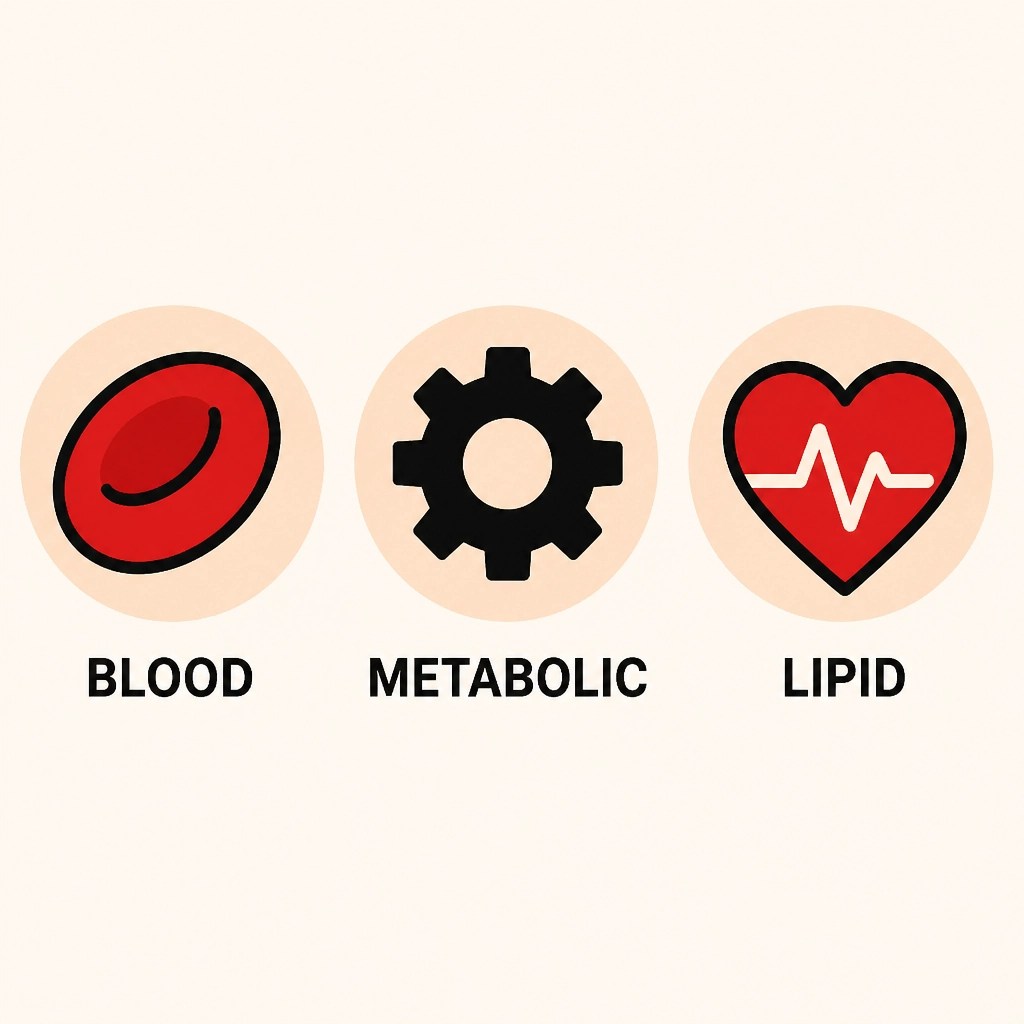
- Complete Blood Count (CBC): Measures your blood cells. It screens for infection, immune system health, and conditions like iron-deficiency anemia.
- Metabolic Panel (CMP/BMP): Checks your chemical balance and metabolism. It evaluates how your kidneys and liver are working and monitors blood sugar levels related to Type 2 Diabetes.
- Lipid Panel: Measures fats in your blood, including cholesterol. This is a primary tool for assessing cardiovascular health and risks like hypertension.
2. Understanding Your Numbers
Your report will typically show your result alongside a "Reference Range."
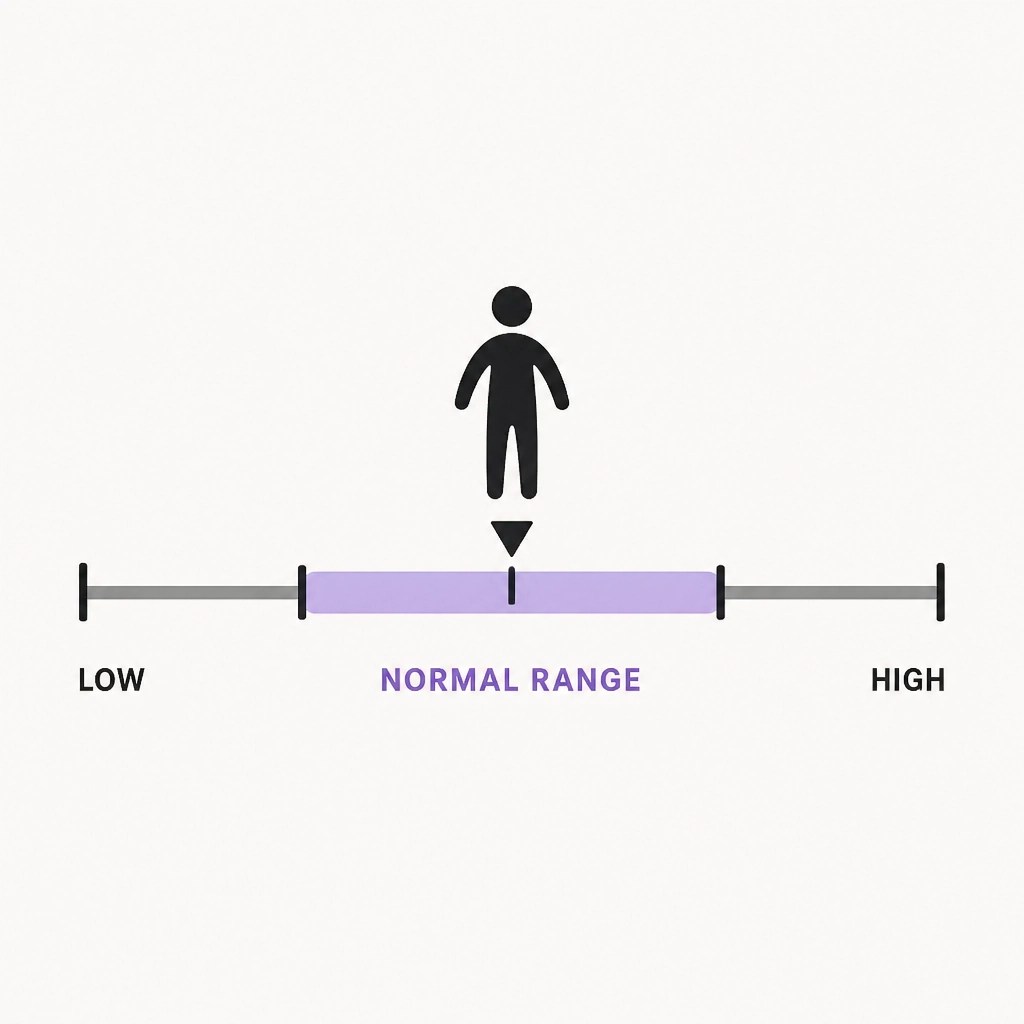
- Reference Range: This is the "normal" bracket based on a healthy population. If your number is inside this range, it is generally considered typical.
- Flags (H/L): If a result is marked H (High) or L (Low), it means the value falls outside the standard range.
- Critical Values: These are results that require immediate attention. Labs usually highlight these in red or with a specific "Alert" marker.
Note: A single flagged result is not a diagnosis. Results must be interpreted in the context of your symptoms, history, and other tests.
3. Jargon Decoder: Common Abbreviations
Use this table to quickly identify the most common metrics found on your lab sheets.
| Abbreviation | Meaning | What It Measures |
|---|---|---|
| WBC | White Blood Cell Count | Your immune system's ability to fight infection. |
| Hgb | Hemoglobin | The protein in red blood cells that carries oxygen. |
| Glu | Glucose | Blood sugar levels; used to screen for pre-diabetes. |
| HDL | "Good" Cholesterol | Helps remove "bad" cholesterol from your arteries. |
| LDL | "Bad" Cholesterol | High levels can lead to plaque buildup in arteries. |
| Cr | Creatinine | A waste product that indicates how well kidneys filter. |
4. Addressing Medical Bias and Social Context
It is important to recognize that "normal" ranges have historically been based on limited demographic data. Medical bias can impact how results are interpreted for women, people of color, and the LGBTQ+ community.
For example, certain kidney function calculations have historically used outdated racial "corrections" that may delay care for Black patients. At Gather Round, we encourage you to advocate for care that considers your unique cultural and biological context.
5. When to Seek Care
While the Gather Round App can help you track these numbers over time, you should contact your provider immediately if:
- You see multiple "Critical" or "Alert" flags.
- Your results show a significant change from your previous baseline.
- You feel unwell despite having "normal" results (your symptoms are valid data).
6. Questions for Your Provider
Empower your next appointment by using these specific phrases to get the clarity you deserve.

- "Can you explain why this specific value is outside the reference range for me?"
- "How do these results compare to my tests from last year?"
- "What lifestyle changes can I make to bring this number back into the healthy range?"
- "Are there any external factors (stress, diet, medication) that might have influenced these results?"
For deeper dives into specific conditions, visit our Preventative Health Library.
Citations and Credible Sources
- Centers for Disease Control and Prevention (CDC). "Understanding Lab Tests."
- National Institutes of Health (NIH). "Health Literacy: What You Need to Know."
- American Association for Clinical Chemistry (AACC). "Lab Tests Online."